
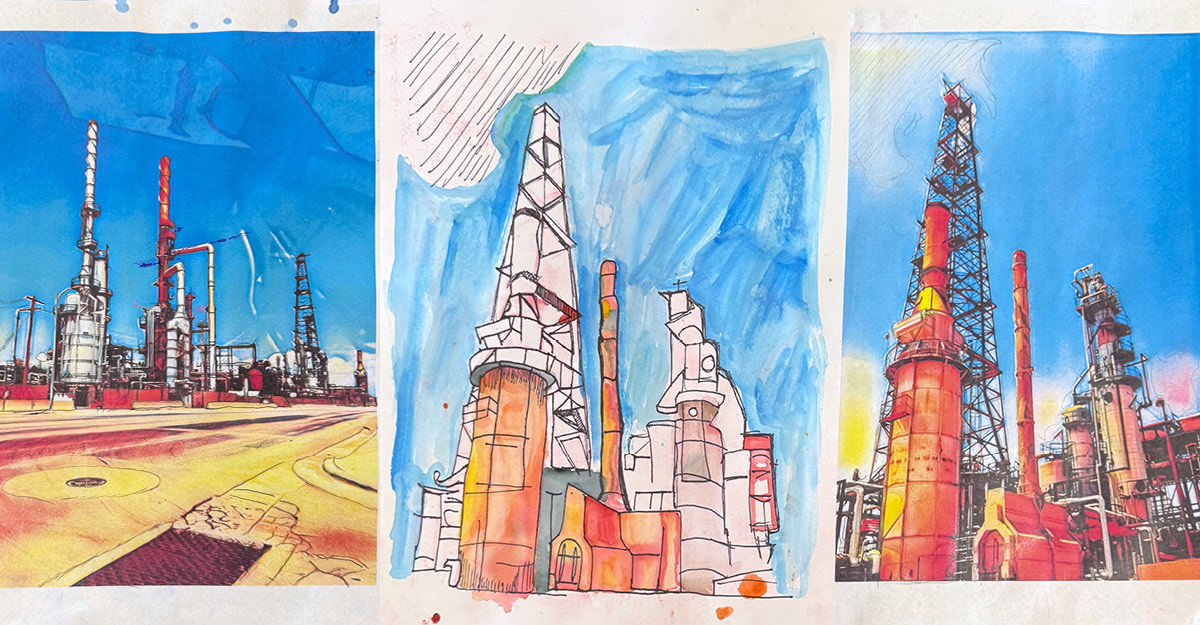
In 2025, Artesia is celebrating a milestone that not many communities can claim: 100 years of refining.
What began as a small but significant industrial venture has become the backbone of Artesia’s economy, culture, and identity. Over the last century, refining has shaped the landscape of this community, not only in terms of industry, but in how residents see themselves – hardworking, resilient, and proud of their roots. This centennial milestone is more than a marker of time; it is a tribute to the people and partnerships that made it possible.
The story of refining in Artesia begins with visionaries who saw potential in the Permian Basin and had the grit to build something lasting. The Illinois #3 struck oil in 1924, catalyzing the growth of industry in the Permian Basin. In 1925, construction of a 1,000 bpd refinery by Continental Oil Company began to meet the growing energy demands across the country.
Over time, Artesia became a strategic hub in the oil and gas industry. Local refining facilities, such as the current HF Sinclair refinery, have played a central role in the evolution of energy production in New Mexico and beyond. Each chapter of that story – whether boom or bust – has left its mark on the community.
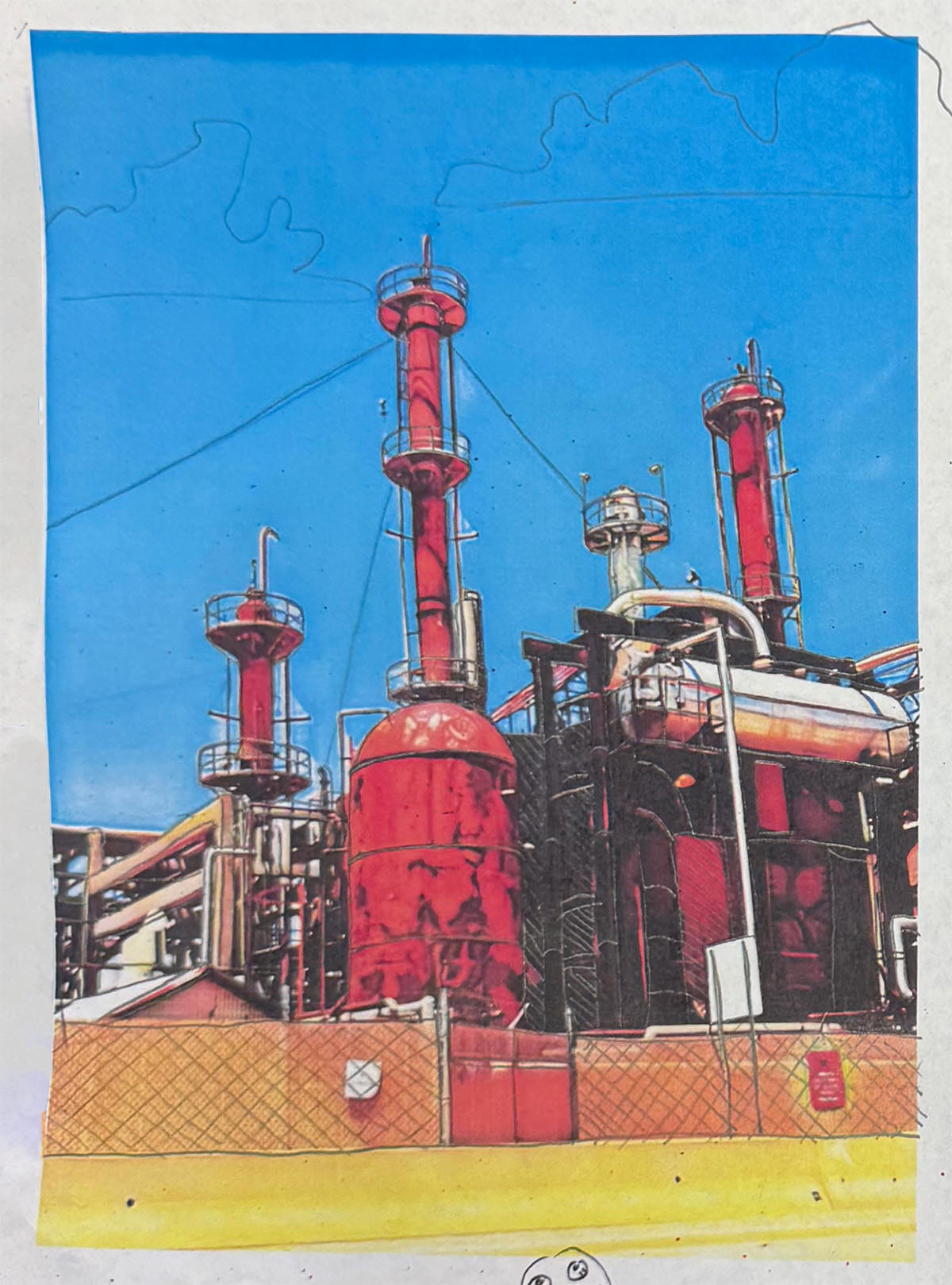
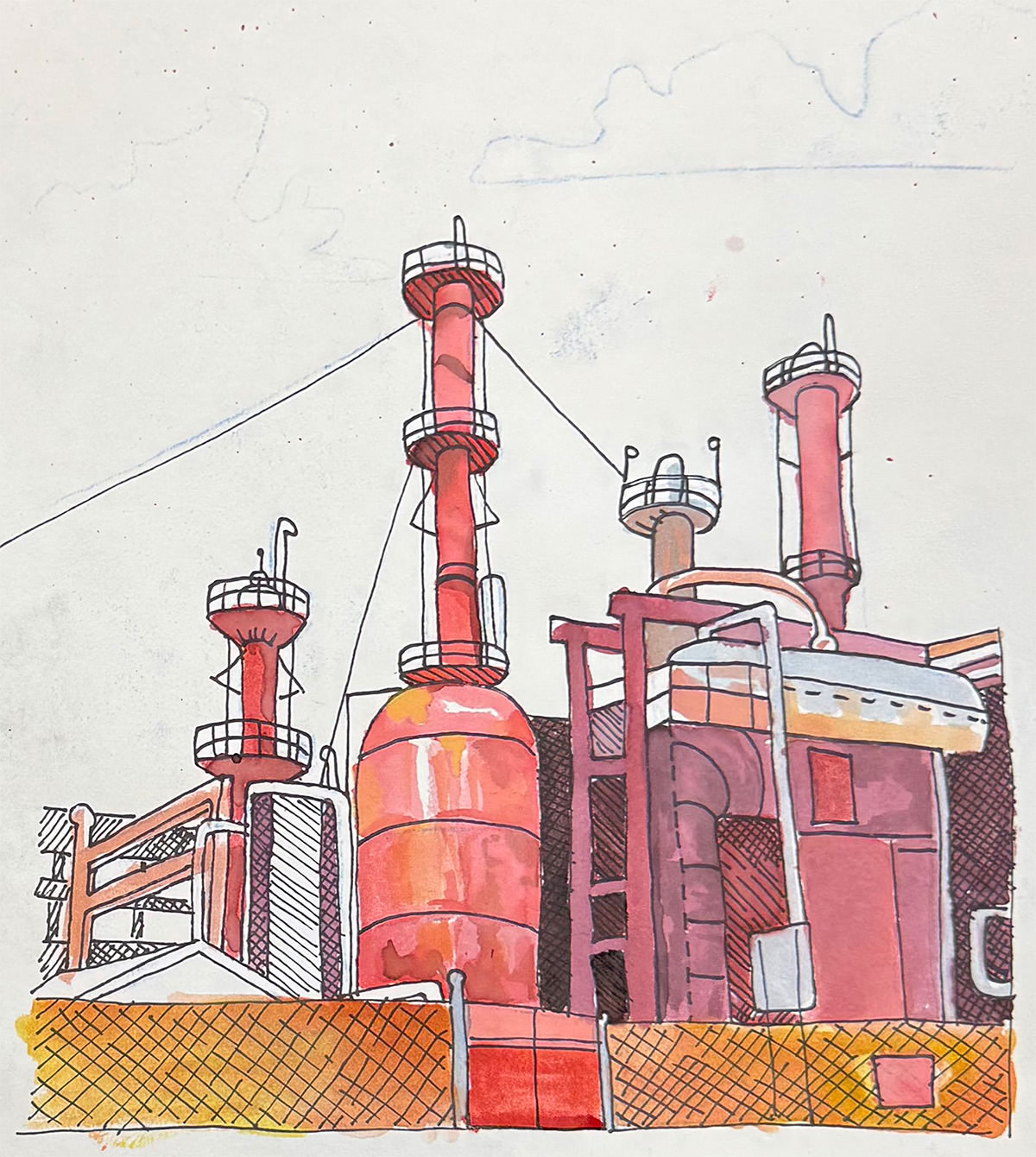
But the legacy of refining in Artesia is not written in machinery alone, it is written in the hands and hearts of those who worked there. Generations of Artesians have built careers, families, and futures around the industry. Many residents can share stories of fathers, mothers, grandparents, and siblings who helped keep the plant running safely and efficiently, often under challenging conditions. Their stories are the threads that connect the city’s past to its present, reinforcing the values of responsibility, dedication, and pride in a job well done.
In addition to supporting local families, the refinery has also drawn some of the best and brightest minds in engineering, operations, and environmental science from across the country to make their homes here in Artesia. These individuals bring a diversity of ideas, expertise, and experiences that enrich the community. By bringing the outside in, the refinery has helped cultivate a town that is not only proud of its heritage but is open to innovation and change. This blending of local tradition with national talent continues to be a defining strength of Artesia.
The economic impact of refining cannot be overstated. The industry has brought stability and opportunity, fueling growth in small businesses, education, and city infrastructure. Taxes and philanthropic investments from the refining sector have helped fund schools, the arts, community development, and much more. Refining has been, and continues to be, one of Artesia’s economic anchors in the 21st century. The Navajo Refinery, operated by HF Sinclair, is Artesia’s largest private sector employer. The ripple effects of the economic activity produced by the refinery sustain local businesses, from lodging and construction to retail and professional services, in a relationship that fuels MainStreet, Eddy County, and New Mexico.
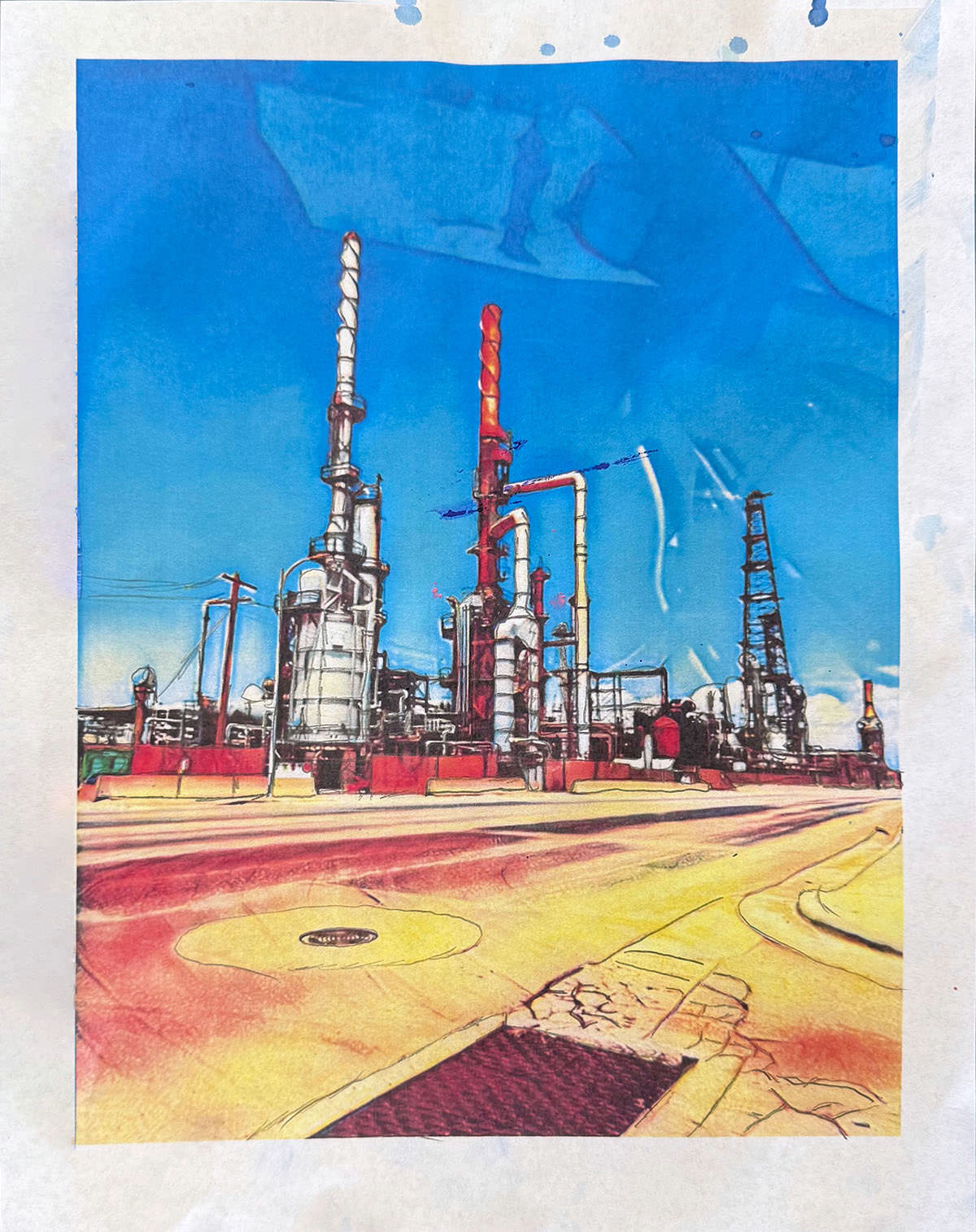
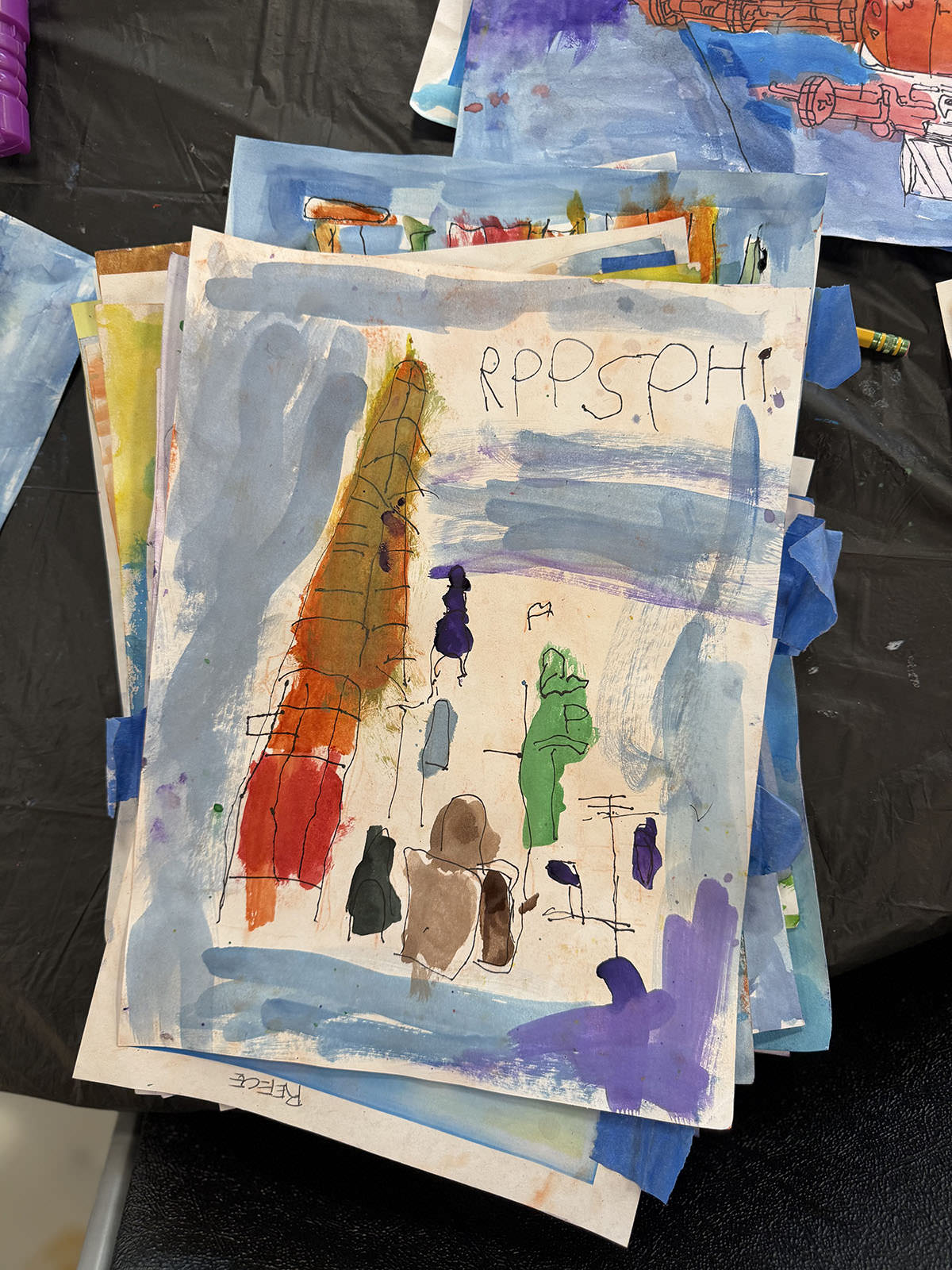
HF Sinclair is already laying the groundwork for the next century of refining. Central to its strategy is a substantial pivot toward renewable diesel production: the Artesia refinery includes a renewable diesel unit capable of producing around 9,000 barrels per day, along with a pretreatment unit that allows that facility to process a wide range of feedstocks – everything from recycled animal fats to lower-intensity vegetable oils – enabling up to 80% lower greenhouse gas emissions compared to conventional diesel. Beyond renewable fuels, this decade’s investments include technology driven improvements in operational efficiency, reliability projects to sustain throughout, and continued enhancements to safety culture and environmental stewardship. These efforts reflect a long-term commitment to evolving with the times while continuing to drive economic opportunity for the local community.
As Artesia reflects on a century of refining, there is an even greater sense of unity between the industry and the community it supports. During the hundredth year of refining in Artesia, let’s honor both the history of refining and the people who made it possible.
The 100-year mark isn’t the end of the story – it’s a moment to look forward, together, with purpose and pride.
HF Sinclair's History
1925
1,000 bpd refinery was constructed in Artesia by Continental Oil Company.
1931
Maljamar Oil & Gas Company built a second refinery in Artesia directly south of the first refinery which was fully owned and operated by Continental Oil Company. The second facility had a crude capacity of about 1,800 bpd and became known as the Malco Refinery.
1941
A very small refinery had been constructed by Nu-Mex Asphalt & Refining Company about half a mile south of the first two plants. The small refinery was completely rebuilt as a 1,800 bpd crude and asphalt refinery operating under the name New Mexico Asphalt & Refining Company. By 1951, it had reached a capacity of 3,500 bpd.
1942
Robert O. Anderson and his partner purchased the Malco Refinery. During World War II, they increased the refinery’s capacity from 3,200 to 5,000 barrels per day.
1952
Construction was completed for a 260 foot “cat cracker” derrick to improve gasoline production. This addition and other changes increased the plant’s capacity to 11,000 bpd. This “TCC” tower, as it is known today, has served as southeastern New Mexico’s most well-known landmark and is a living monument to the important role petroleum has played in the development of the surrounding community.
1953
Anderson purchased controlling interest in New Mexico Asphalt & Refining Company and increased its capacity to 12,500 bpd. Once again, there was a Malco Refinery in Artesia.
1959
Continental acquired the larger Malco Refinery from Anderson. Continental then merged the two refineries through interconnecting pipelines. At a capacity of 16,000 bpd, the refinery was the largest in New Mexico.
1969
Continental sold the refinery to Navajo Refining Company, a subsidiary of Holly Corporation, then led by C. L. Norsworthy, Jr. The Navajo Logo was designed by employee Wayne Truett.
1976
Jack P. Reid was appointed President of Navajo Refining Company.
1977
The Navajo Refinery eclipsed real estate as the major source of revenue for the company.
1981
The new Fluid Catalytic Cracker or FCC was built at a cost of about $25 million dollars.
1989
The Lovington Refinery was acquired.
1991
The Lovington Refinery was put into service which increased total capacity of crude processing to 30,000 bpd.
1992
Alkylation unit was installed at a cost of $11 million dollars which increased total capacity to 60,000 bpd.
1995
Diesel Hydrodesulferizer was added to the Artesia facility at a cost of $8 million dollars.
1996
NHDU and ISOM units were built at a cost of $8.5 million dollars.
1998
FCC was upgraded.
2002
Diesel Hydrotreater was purchased from a closed refinery and reconstructed at the Navajo Refinery.
2005
First ROSE unit was purchased from El Paso Energy and began being reconstructed at the Navajo Refinery.
2006
FCC capacity was increased to 27,000 bpd.
2009
Mild Hydrocracker, Hydrogen Unit, 100 ton SRU, and the New ROSE unit were completed.
2010
Crude Unit expansion at Lovington was completed and the Crude re-vamp in Artesia was completed.
2011
Holly Corporation and Frontier merge to become HollyFrontier Corporation.
Prime G+ Unit was installed for compliance with the EPA’s Tier 3 gasoline regulations.
2022
Construction was completed on a Pre-treatment Unit (PTU) and Renewable Diesel Unit (RDU) at the Artesia facility.
2022
HollyFrontier and Holly Energy Partners announce completion of transactions with the Sinclair companies and establishment of new parent company, HF Sinclair Corporation.
2023
HF Sinclair Corporation completes acquisition of Holly Energy Partners, L.P.
Article written by Morgan Fox and originally published in Focus on Artesia 2025 Fall edition.

Morgan Fox
I wear many hats: wife, mom, entrepreneur, travel enthusiast, interior designer wannabe, writer, enneagram type 7, margarita connoisseur. The list goes on because, heck, I'm a Gemini too and if you've met any of those, you know what I'm talking about. I have a spirit for adventure and hometown pride. I love a good road trip and finding new places to explore.