
Big changes came to New Mexico this past spring; the ten year process of legalizing cannabis came to fruition. Now that five months have passed since the legalized sale of cannabis in the State of New Mexico began, communities across the state are left to decide what kind of an impact product sales have. On one hand, local governments will see an increase in their annual budgets. On the other hand, the challenge of preventing the adult-use product from falling into the hands of minors is all too real. Legalization proves to be a mixed bag of blessings and curses.
A discussion of the pros and cons arising from the legalization of cannabis continues in the following paragraphs. Identifying the strengths and weaknesses of the legislation helps the community understand the monetary benefits from the taxation of the associated products now sold and where additional regulation may benefit the community in terms of keeping adult-use recreational cannabis out of the hands of Southeast New Mexico youth.
April 1st kicked off cannabis sales across New Mexico, and the first month saw 22 million dollars in sales. Cannabis is taxed at a rate of 12% (excise) in addition to the local sales tax. Sales of cannabis products slowed after the first month; the difference between the month of April and the Month of May was a million dollars according to the Cannabis Control Division as the marketplace stabilized after the opening month. Surrounding communities like Carsbad and Roswell have seen an increase in gross receipts from recreational cannabis sales which will ultimately benefit their city budgets because they each have several dispensaries. The increased city budgets will help improve infrastructure, parks, recreation, and much more.
The 12% excise will become an 18% excise over the next 8 years, according to the Cannabis Control Division’s website, which will establish a long-term revenue source for the state. “The rate is the same throughout the state. However, businesses must report by location so that localities can receive their share of the tax. About 30 percent of taxes collected will be shared back to the municipality or county where it was collected,” writes the New Mexico Regulation and Licensing Department on their For Local Government tab.
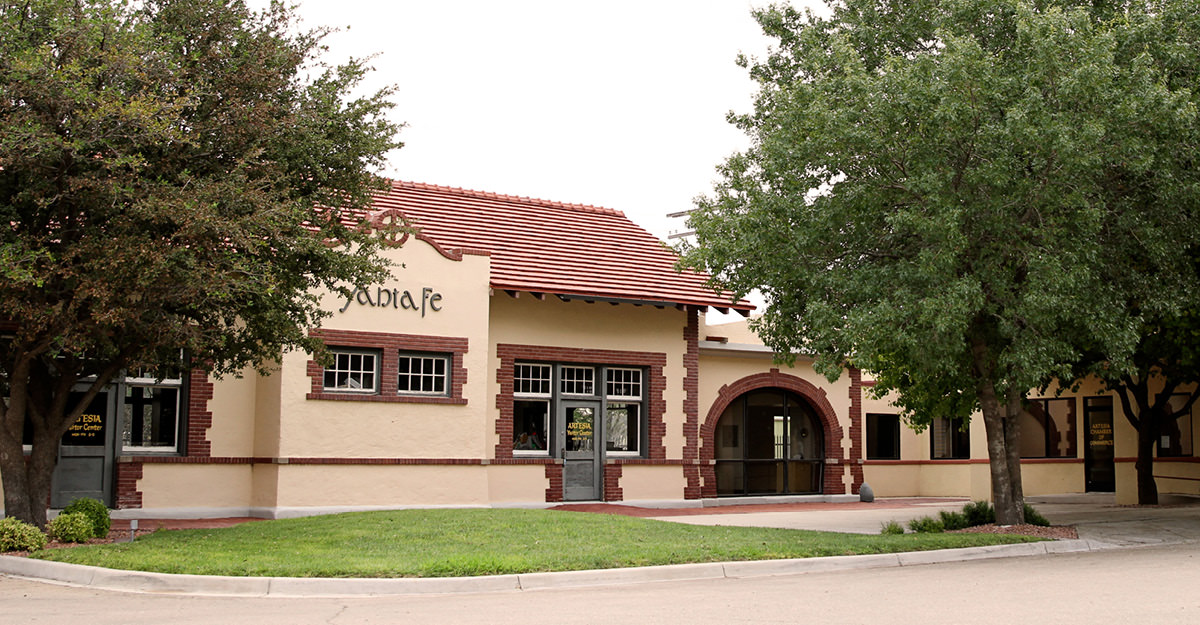
While Artesia does not have a dispensary dedicated entirely to cannabis and cannabis products yet, one is on the way. In April 2022, Pecos Valley Production applied for a Special Use Permit in the city. The SUP met the strict criteria for the placement of a dispensary in the city limits, which means it is not within close proximity to a residential area, school property, or the arts and cultural district. The SUP received approval for the 501 South 1st Street site, the previous location of the breakfast and lunch diner, Chaos Cafe. Once the Pecos Valley Production dispensary opens for business, Artesia will also see the additional city revenue which can only assist in the maintenance and future development of the City of Champions.
Conversely, the multitude of adult-use cannabis products available because of the legalization of marijuana also means that there are more ways for THC-containing products to fall carelessly into the hands of under-age children. The packaging on a number of cannabis products looks like the packaging of non-THC containing products found at grocery and convenience stores. Youth can easily mistake a cannabis product for a familiar snack in residential settings where they’re not stored out of reach because the packaging is so similar. Packaging can certainly be regulated within communities. If Southeast New Mexico wants to protect youth with labels and packaging that explicitly identify products containing THC, then citizens must bring their concerns to their local representatives, their city councilors. In Artesia, the councilors are: Wade Nelson, Dicky Townley, Jeff Youtsey, George Mullen, Raul Rodriguez, Ignacio Mariscal, Jarrod Moreau, and Sam Hagelstein. Find their contact information at artesianm.gov.
Another concern for the community post cannabis legalization is the effects of THC before and after birth. Executive Director of Eddy County CASA, Missy Chavez, explains that about half of the children currently enrolled in their court advocate program, born in 2022, entered the world with THC found in their blood panels after birth with the other half of the children born addicted to illicit drugs. This means that the child’s mother either consumed or smoked a cannabis product while pregnant. Just because it is legal for adults to use cannabis products does not mean that an unborn child is protected from the effects of THC. CASA seeks to protect and advocate for children of all ages and bring awareness to this trend of cannabis use during pregnancy.
Police Chief Kirk Roberts also explains that there are no laws which protect children from secondhand smoke in vehicles from either tobacco or cannabis products. A handful of states passed legislation making it illegal to smoke tobacco in a motor vehicle with children under the age of 18 present. New Mexico is not among the states which created such legislation. Ultimately, the youth of the community are still vulnerable to the presence of adult-use cannabis sales in the state. Adult-use cannabis is intended for adults only, and the regulation and control of the substance can become better suited to protect community youth as time passes and the new legalization laws fast approach the one year anniversary. Be community minded about cannabis. Read and understand all of the pros and cons of cannabis legalization, and maintain active conversations with city leadership regarding future ordinances.
By: Kaity Hirst