

Technology has become an integral part of education, transforming the way students learn and teachers instruct.
Technology has continuously shaped the educational landscape, from the introduction of chalkboards to the implementation of artificial intelligence (AI). While integrating technology in classrooms presents many advantages, it also raises challenges that educators and policymakers must address. This article explores the historical timeline of technology use in education, evaluates its positive and negative aspects, and considers what the future may hold.
A Timeline of Technology in Education
The use of technology in education has evolved over centuries, adapting to the needs of students and teachers.
1801
The modern chalkboard is introduced in classrooms, replacing individual slates and facilitating group instruction (Reiser, 2001).1920s – 1930s
Radio broadcasts begin to be used for educational purposes, providing students with access to instructional content beyond the classroom (Cuban, 1986).1950s – 1960s
Overhead projectors and televisions become common tools in schools, allowing teachers to present visual information effectively (Molnar, 1997).1970s – 1980s
The rise of computers in education begins with early models such as the Apple II, which was introduced in schools to teach basic programming and computing skills (Papert, 1980).1990s
The internet revolutionizes education, making information more accessible and enabling the growth of online learning (Collins & Halverson, 2009).2000s
Interactive whiteboards and learning management systems (LMS) become widely adopted, allowing for more interactive and engaging classroom experiences (Kay, LeSage, 2009).2010s – Present
Mobile devices, cloud computing, and artificial intelligence continue to reshape education, facilitating personalized learning and remote education (Selwyn, 2016).

Technology in My Classroom
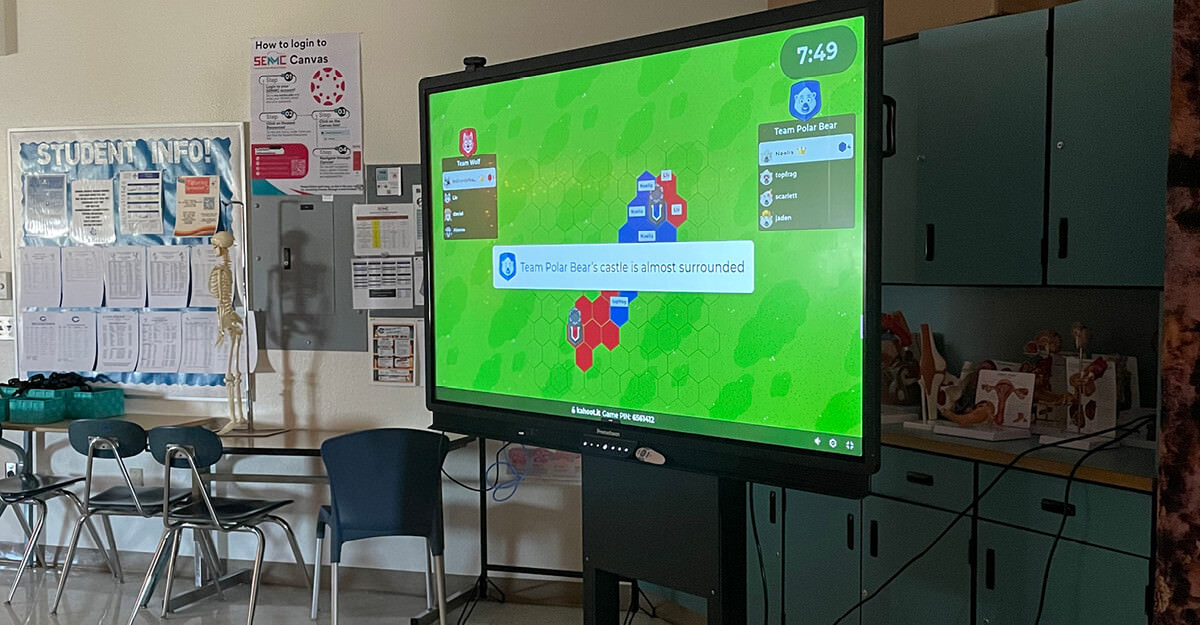
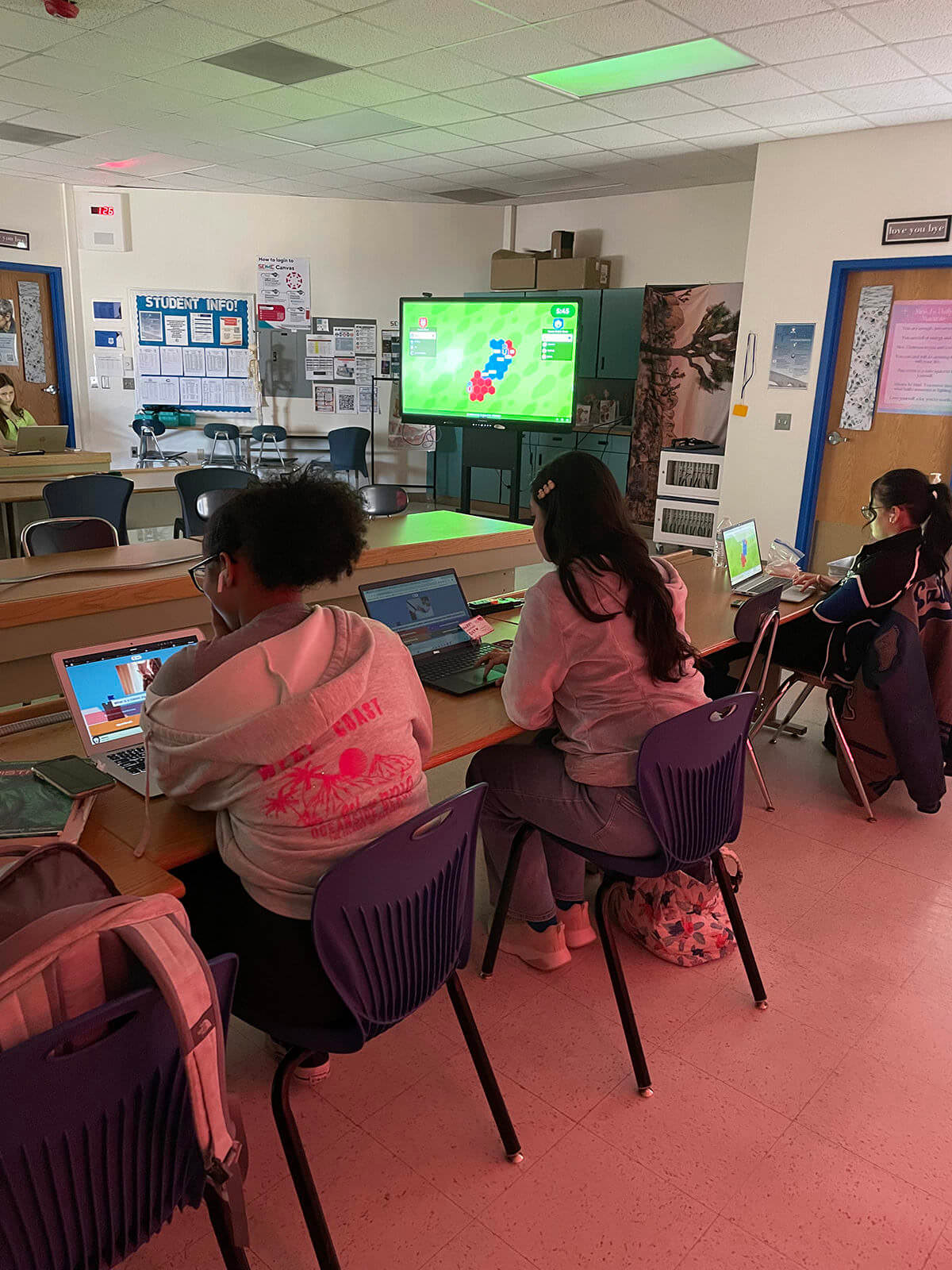
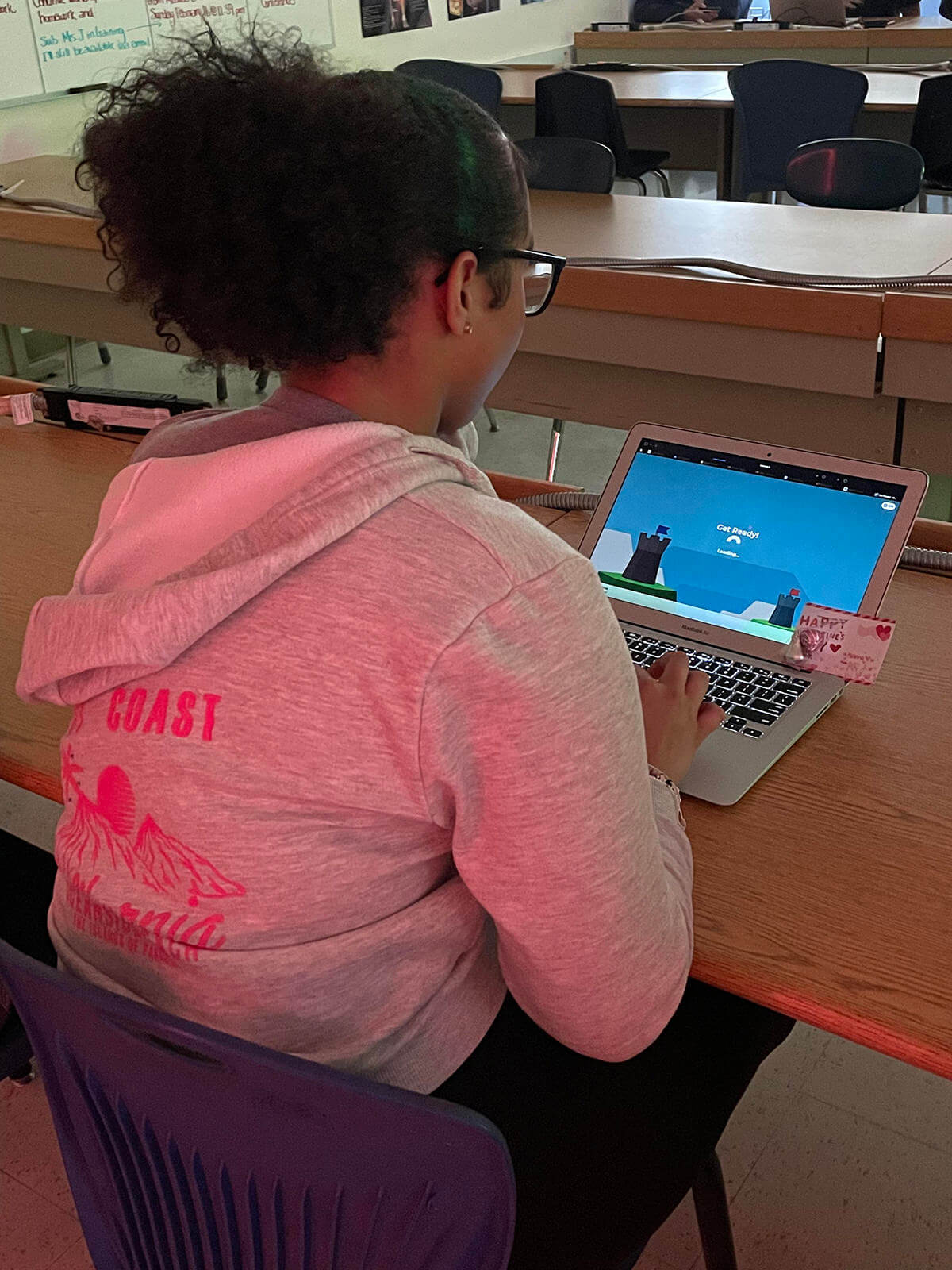
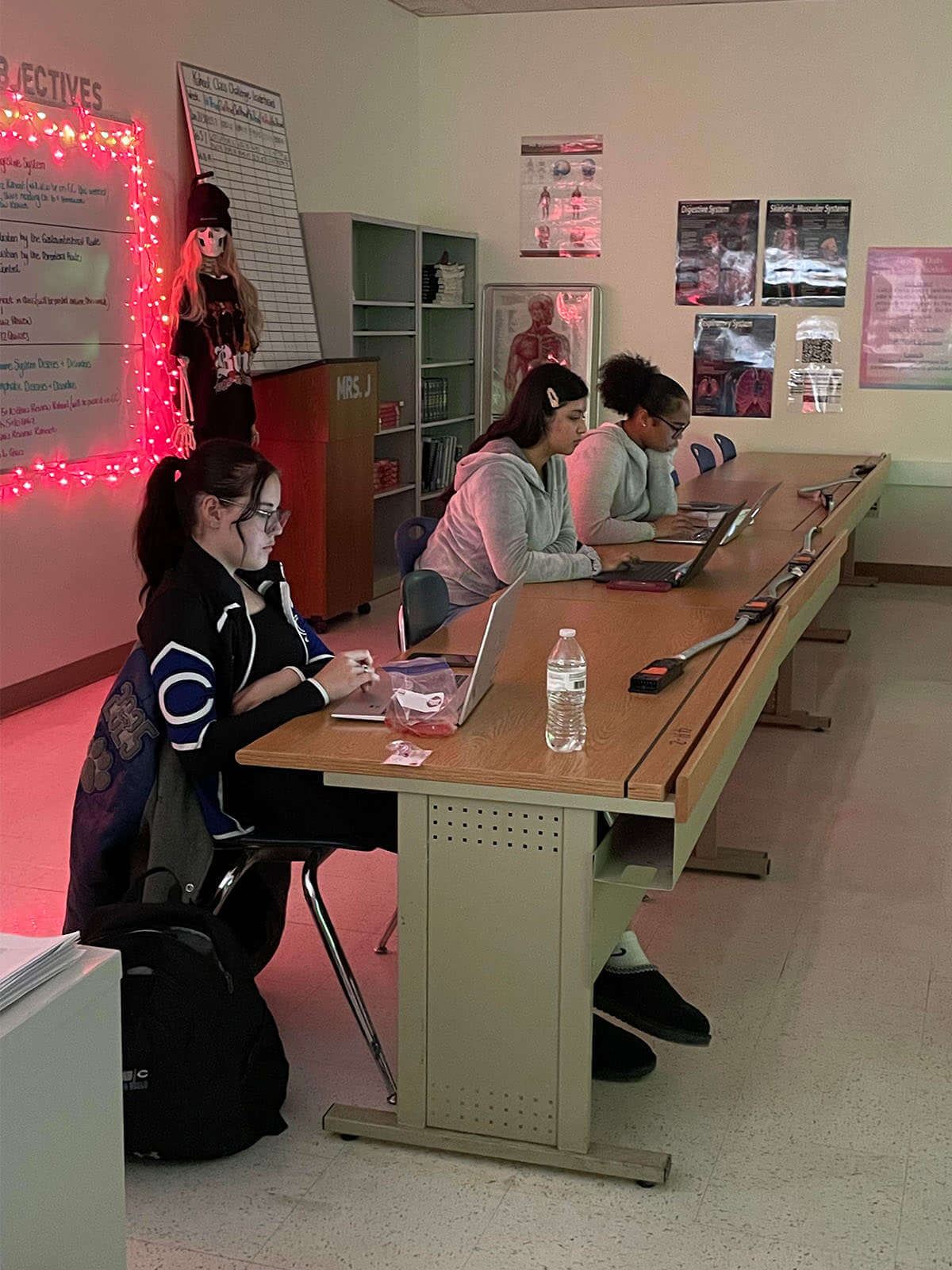
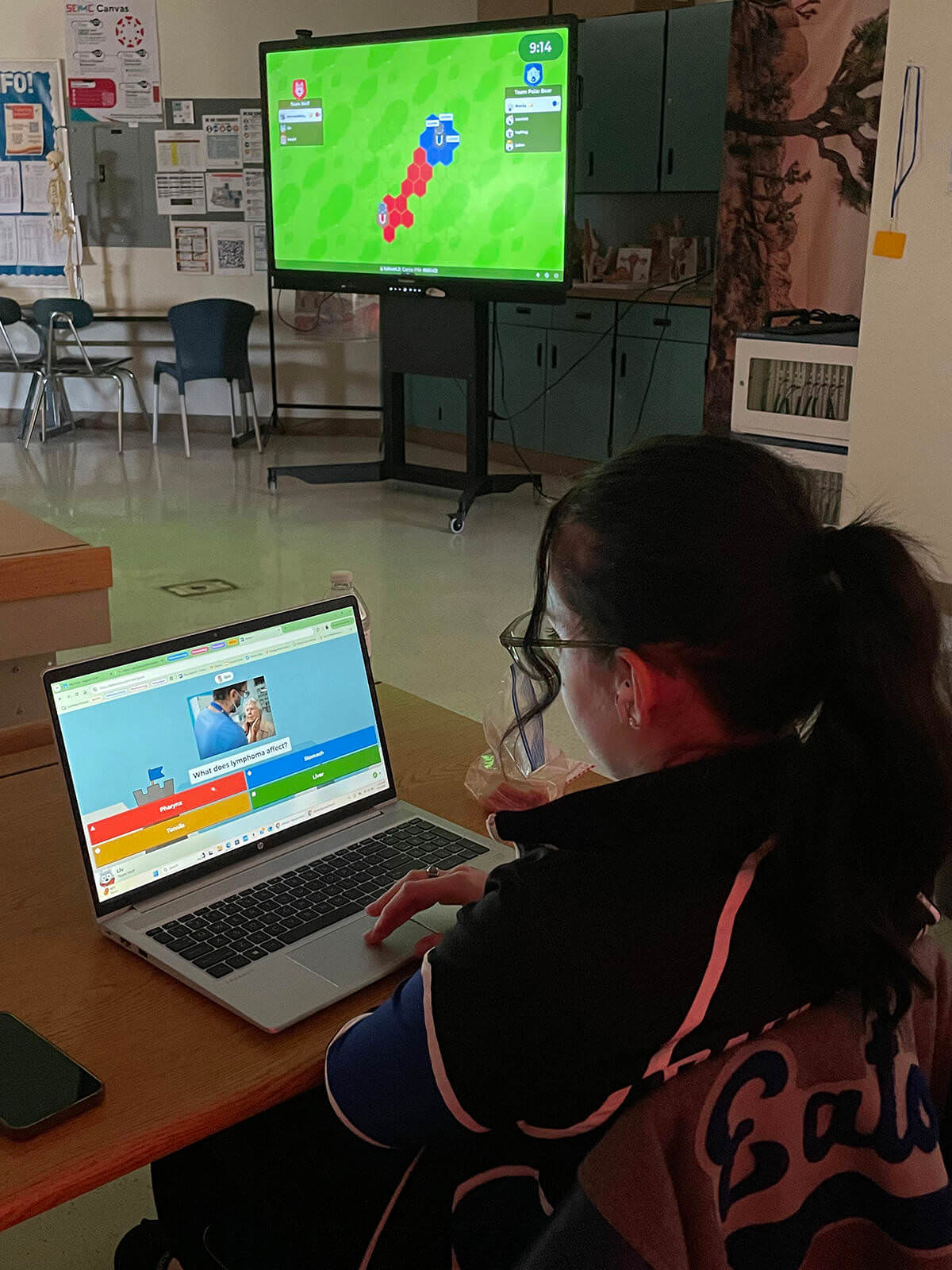
I teach the Allied Health Dual-Credit courses at Carlsbad High School in partnership with SENMC. My students have a unique opportunity to explore healthcare careers and earn college credit before graduating high school. In my classroom, I integrate technology to enhance student engagement while recognizing the benefits of traditional learning methods. I employ “student voice and choice,” giving my students autonomy over their learning. For example, I have hard copies of the textbooks as well as digital forms uploaded to the Learning Management System (LMS). I also allow students to decide whether to handwrite their assignments and digitally upload them to the LMS, knowing that, based on scientific research, handwriting improves retention, or if they prefer, they can use their phones or laptops to complete assignments, knowing that sometimes technology is easier or faster for the generation with which I work. Interestingly, despite being tech-savvy, many of my students still prefer reading physical books and handwriting assignments, a preference that continues to surprise me. I use gaming platforms like Kahoot to spark engagement, encourage collaboration, and ensure students are actively reviewing content. To add a competitive element, I created a class-wide contest this year where the class with the highest average on Kahoot reviews wins lunch or breakfast on me, motivating students to read and understand key concepts and work together as a team. Teaching has historically been “teachers teach how they were taught” and keeping classrooms traditional. With advances in technology, we have the opportunity to explore the tools that make learning fun and interesting for today’s students.
Positive Aspects of Technology in Education
Technology offers numerous benefits that enhance teaching and learning experiences:
- Enhanced Accessibility: Digital tools and the internet provide students with access to vast amounts of information, breaking down barriers to learning.
- Personalized Learning: Adaptive learning software and AI-driven platforms enable tailored instruction based on a student’s strengths and weaknesses (Pane et al., 2015).
- Engagement and Interactivity: Multimedia resources, gamification, and interactive simulations make learning more engaging and effective (Gee, 2007).
- Collaboration and Communication: Online platforms facilitate collaboration among students and educators, allowing for knowledge-sharing across different locations (Gikas & Grant, 2013).
- Efficiency and Organization: Digital tools such as cloud storage and learning management systems help teachers organize lesson plans, assessments, and student progress more effectively.
- Remote Learning Opportunities: The COVID-19 pandemic highlighted the importance of technology in ensuring continuity of education through remote learning and online classes (Hodges et al., 2020).
In my classroom, I integrate technology to enhance student engagement while recognizing the benefits of traditional learning methods.
Negative Aspects of Technology in Education
Despite its advantages, technology in education also presents several challenges:
- Digital Divide: Socioeconomic disparities mean not all students have equal access to devices and high-speed internet, creating an uneven playing field (Van Dijk, 2020).
- Distraction and Overuse: The presence of digital devices can lead to distractions, such as social media and gaming, reducing students’ focus on learning (Rosen et al., 2013).
- Privacy and Security Concerns: The collection of student data raises concerns about privacy and potential misuse (Selwyn, 2016).
- Teacher Training and Adaptation: Many educators struggle to keep up with rapidly evolving technology, requiring continuous professional development (Ertmer & Ottenbreit-Leftwich, 2010).
- Dependence on Technology: Over-reliance on digital tools can diminish critical thinking and problem-solving skills, as students may become too dependent on automated solutions.
- Equity in Implementation: Schools with fewer resources may struggle to integrate advanced technology, exacerbating educational inequalities (Warschauer, 2003). Additionally, older students who have not grown up with the new technology often struggle to adapt to online learning platforms.
The Future of Educational Technology
Looking ahead, technological advancements will continue to transform education in various ways:
- Artificial Intelligence and Machine Learning: AI-powered tutors and grading systems will personalize education even further, providing real-time feedback and automating administrative tasks (Luckin et al., 2016).
- Virtual and Augmented Reality: Immersive learning experiences using VR and AR will enhance subjects such as history, science, and medicine by providing hands-on simulations (Bailenson, 2018).
- Gamification and Adaptive Learning: The continued integration of game-based learning elements will increase student motivation and participation.
- Ethical and Inclusive EdTech: Future technology must prioritize inclusivity, ensuring that all students, including those with disabilities, have equitable learning opportunities (Selwyn, 2016).
Looking to the Future
Technology has significantly shaped the field of education, offering both opportunities and challenges. While advancements have improved accessibility, engagement, and personalization, they have also introduced concerns about equity, privacy, and dependence. As technology continues to evolve, educators and policymakers must ensure its ethical and effective integration into classrooms, fostering an inclusive and enriching learning environment for all students.
Article written by Karey Jeffress and originally published in Focus on Artesia 2025 Spring edition.

Karey Jeffress
Karey Jeffress, a Carlsbad native, loves helping others live their lives to the fullest. Karey’s passions for teaching and healthcare background have inspired her career in education. She has a Master’s in Public Health Promotion, and is working toward a Doctorate in Health Professions Education. Karey is the Allied Health Teacher at Carlsbad High School, a certified Mental Health First Aid and QPR Gatekeeper instructor, yoga teacher, mental health advocate, and community outreach professional. Her other loves include her husband, Dale, and her dogs, as well as attending concerts and baseball games, playing outdoors, local brews, and good nachos.
References
- Bailenson, J. (2018). Experience on Demand: What Virtual Reality Is, How It Works, and What It Can Do. W. W. Norton & Company.
- Collins, A., & Halverson, R. (2009). Rethinking Education in the Age of Technology: The Digital Revolution and the Schools. Teachers College Press.
- Cuban, L. (1986). Teachers and Machines: The Classroom Use of Technology Since 1920. Teachers College Press.
- Ertmer, P. A., & Ottenbreit-Leftwich, A. T. (2010). Teacher technology change: How knowledge, beliefs, and culture intersect. Journal of Research on Technology in Education, 42(3), 255-284.
- Gee, J. P. (2007). What Video Games Have to Teach Us About Learning and Literacy. Palgrave Macmillan.
- Gikas, J., & Grant, M. M. (2013). Mobile computing devices in higher education: Student perspectives on learning with cellphones, smartphones & social media. The Internet and Higher Education, 19, 18-26.
- Hodges, C., Moore, S., Lockee, B., Trust, T., & Bond, A. (2020). The difference between emergency remote teaching and online learning. Educause Review.
- Kay, R. H., & LeSage, A. (2009). Examining the benefits and challenges of using audience response systems. Computers & Education, 53(3), 819-827.
- Luckin, R., Holmes, W., Griffiths, M., & Forcier, L. B. (2016). Intelligence Unleashed: An Argument for AI in Education. Pearson.
- Molnar, A. (1997). Computers in education: A brief history. T H E Journal (Technological Horizons In Education), 24(11), 63-68.
- Pane, J. F., Steiner, E. D., Baird, M. D., & Hamilton, L. S. (2015). Continued progress: Promising evidence on personalized learning. RAND Corporation.
- Papert, S. (1980). Mindstorms: Children, Computers, and Powerful Ideas. Basic Books.
- Reiser, R. A. (2001). A history of instructional design and technology. Educational Technology Research and Development, 49(1), 53-64.
- Selwyn, N. (2016). Education and Technology: Key Issues and Debates. Bloomsbury Publishing.
- Van Dijk, J. (2020). The Digital Divide. Polity Press.
- Warschauer, M. (2003). Technology and Social Inclusion: Rethinking the Digital Divide. MIT Press.