Focus Artesia Spring 2025 | Community Spotlight: The Power of Human Connection
Focus Artesia Spring 2025 | Community Spotlight: The Power of Human Connection
The concept of angels rarely crossed my mind until my family needed one.
Our oldest daughter was born six weeks early and spent 26 days in the Neonatal Intensive Care Unit. The fear and uneasiness of leaving her that first night were palpable, but as we spent just a few minutes with the night nurse, I knew there really were angels among us. So, when Margaret Gates described her mom, a nurse, as an angel, I knew exactly what she meant.
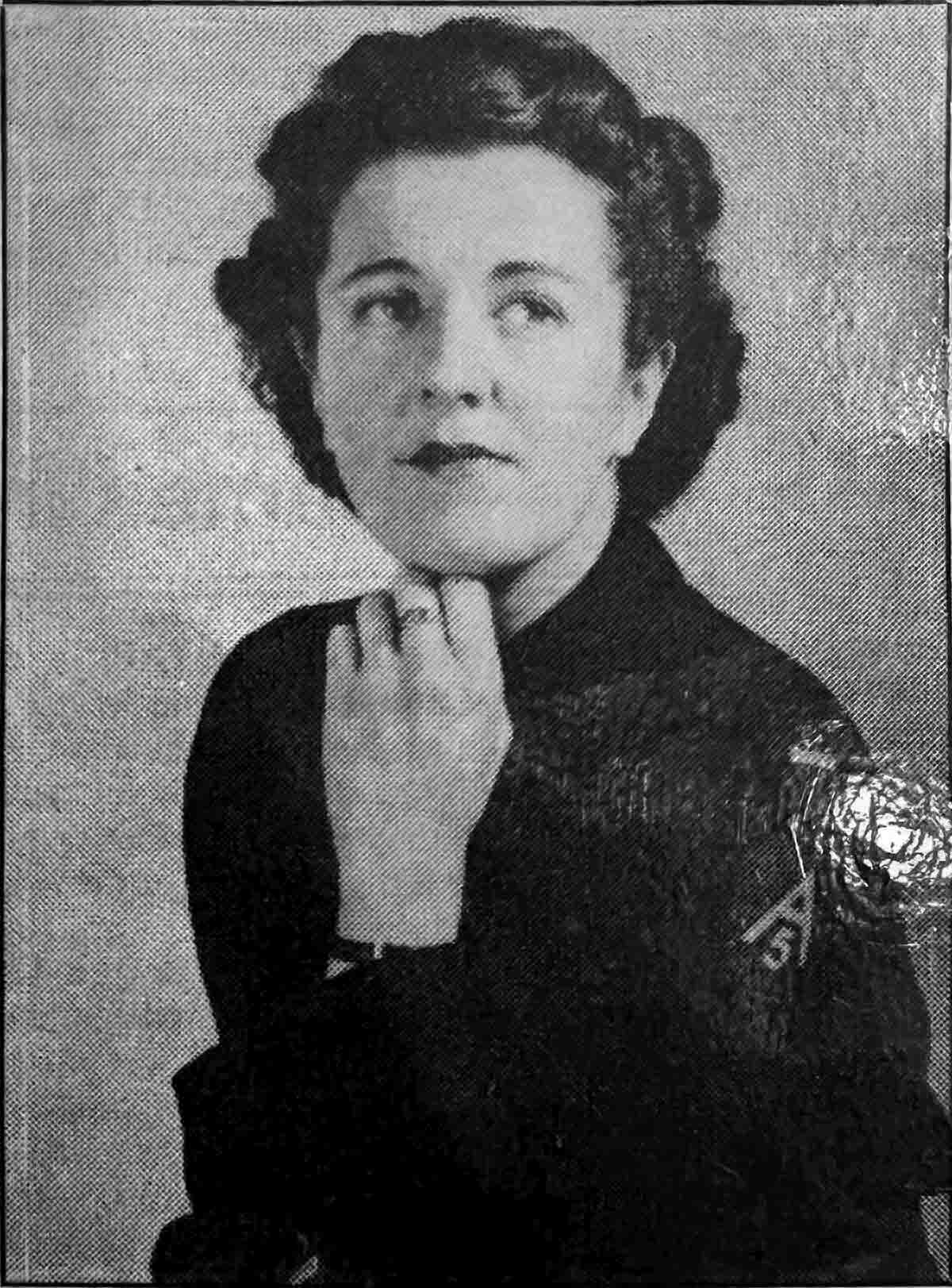
The untold impact of Jean (Richey) Gates’ lifelong service as a nurse is remarkable, but Jean’s identity was woven long before she chose a profession. From an early age, she saw the value in people. In second grade, Jean was paired with a pen pal in Norway named Camilla. Long before email or Google Translate, these young girls put in great effort to connect and soon became friends. Jean sent Camilla’s letters to UCLA for translation into English, while Camilla knew someone who could translate Jean’s letters into Norwegian. Year after year, they shared life through pen, paper, and a stamp.
Despite her humility and deep love for people, Jean often felt she had little to contribute. Soon after graduating from high school, she prayed to God, expressing feelings of inadequacy and asking for guidance on what she should do with her life. That very night, she had a dream in which light enveloped her hands, and she interpreted it as God’s answer: She was to use her hands to help people.
There was no better way for Jean to help, she decided, than by becoming a nurse. After attending Baylor Nursing School, Jean said yes to the call to help with the World War II effort and joined the 56th Evacuation Hospital. With no indication of where this would lead, Jean moved in blind faith with one goal: to help others. This decision took her from Texas to Africa to Italy where she served most of the war.
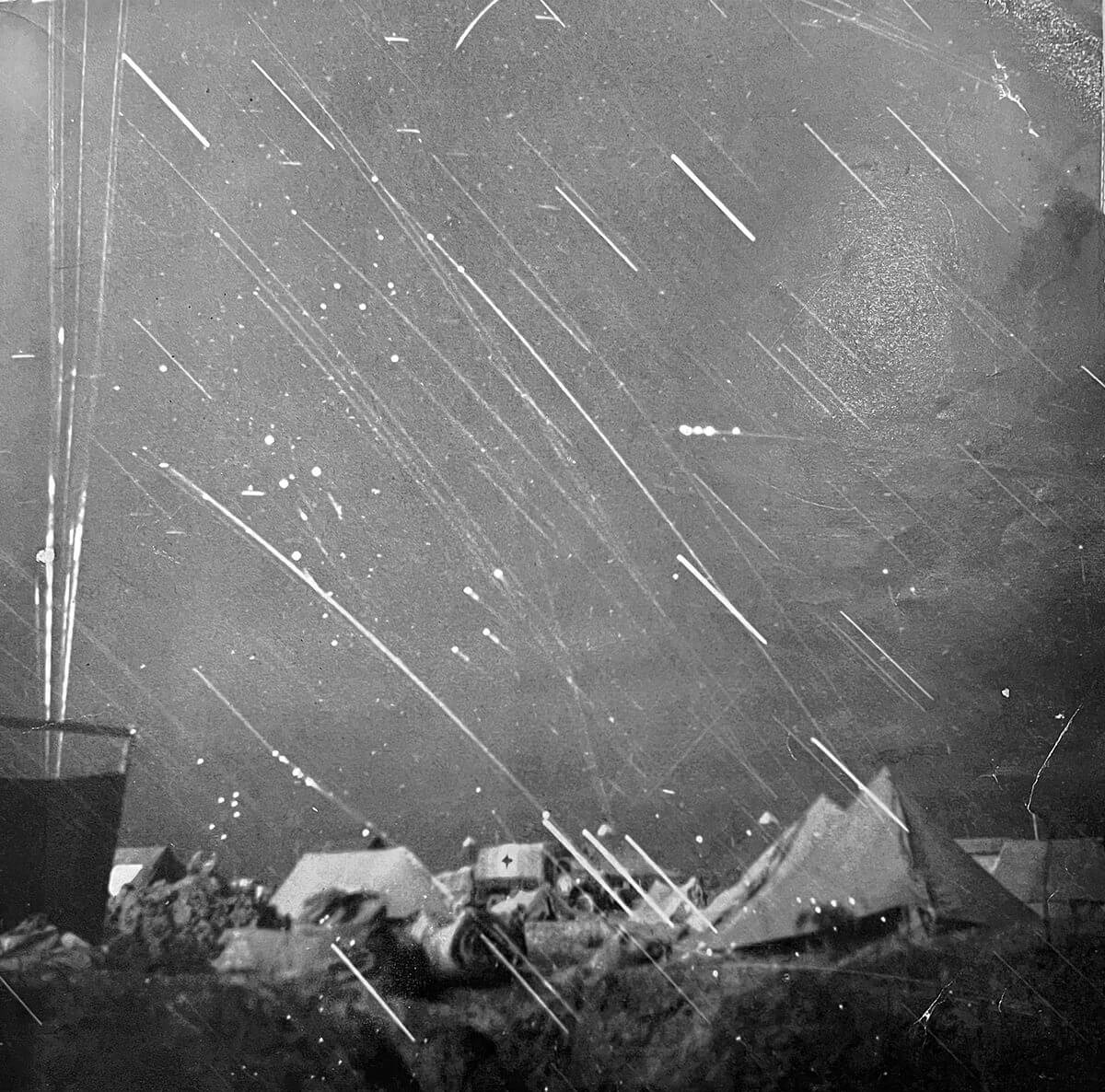
56th Evacuation Hospital while established on the Anzio Beachhead, Italy
Officers and Nurses of the 56th Evacuation Hospital
Battle of Anzio, 1944. The 56th Evacuation Hospital was bombed. Many lives were lost, including the nurse standing next to Jean who was killed by shrapnel.
Surgery at Nocelleto
As wars would have it, life and death hung in the balance daily. Jean was unceasingly faced with the fragility of life as she assisted with surgeries on wounded soldiers or sneaked food to starving Italian children. Completely accepting of outcomes, she resolved to serve until her work was done, whether that meant the end of the war or her own untimely death. Jean stepped into the darkest moments and offered a human connection through her presence
Upon Jean’s discharge from the war, she moved to Santa Monica, California, where she continued her work as a nurse. Meanwhile, over 900 miles away, her sister, also a nurse, and her brother-in-law doctor lived in a little town in New Mexico called Artesia. At her sister’s request to help with a new baby, Jean traded the picturesque ocean setting for Artesia where she was greeted by 70 mph winds, tumbleweeds, and an abundance of dirt. Another move in blind faith, Jean said yes to the call to help someone else.
January 25, 1944, 56th Evacuation Hospital Officers and Nurses, enroute for the Anzio Beachhead, Italy. Jean Richey is shown far left.
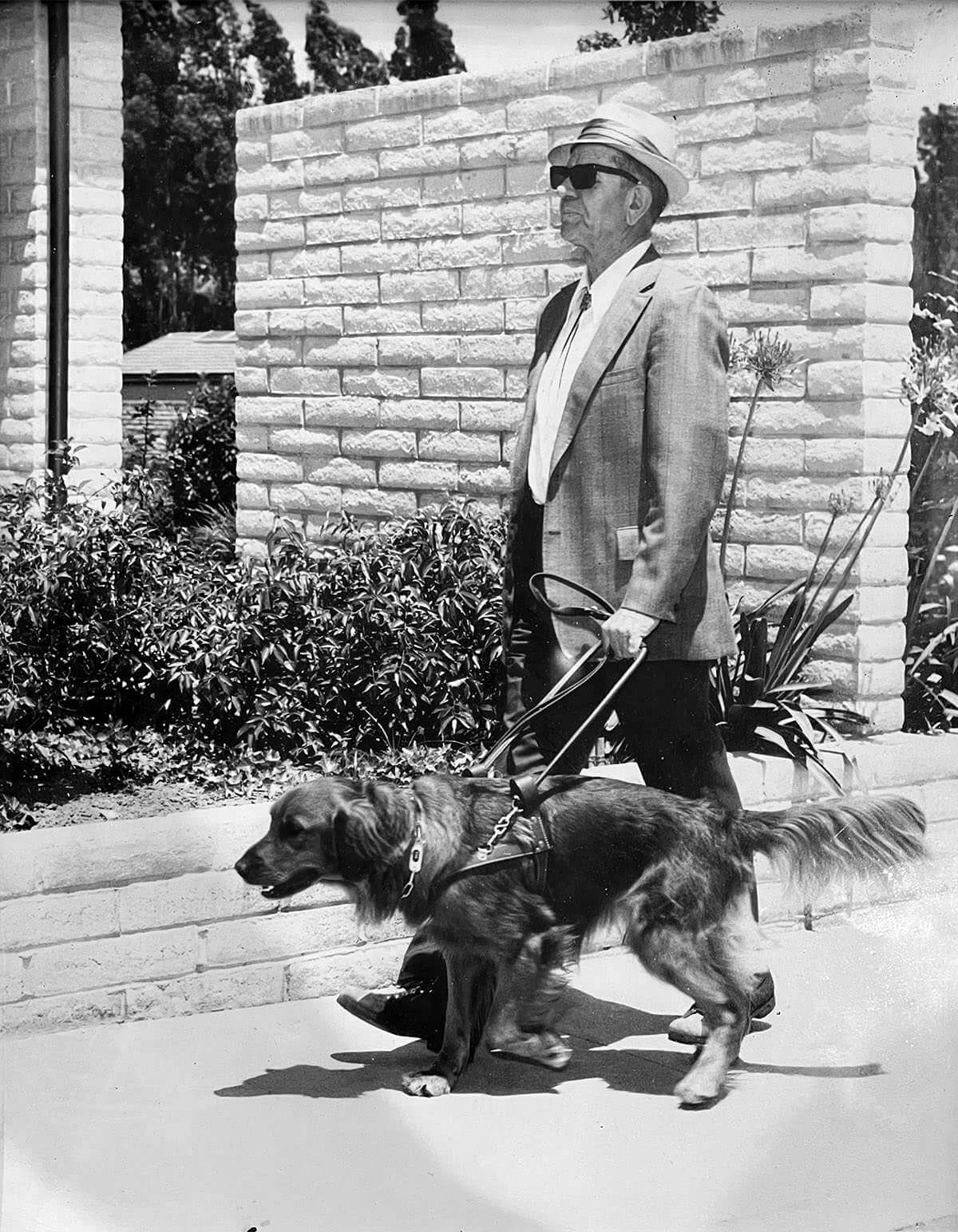
But even Jean had her limits. Shortly after moving to Artesia, she became bored with the monotony of diapers and feedings and asked her sister to find her a date. Jean loved to dance and was eager for a night out. Her sister quickly thought of a man who was perfect for Jean. When the night of the date arrived, Jean eagerly answered the door, only to find her sister standing there instead. Frustrated that the gentleman had not come to the door himself, Jean’s sister revealed a small detail that had been withheld about the blind date: the date was actually blind.
Despite her skepticism, Jean walked to the car, met John Gates, and quickly realized not only was he the best dancer in town, but she also wanted to get to know him. A few months later, they were married. They continued their careers as a landman and nurse while raising their daughter, Margaret, and twin sons, Johnny and Rex, in Artesia.
John Gates and His Dog
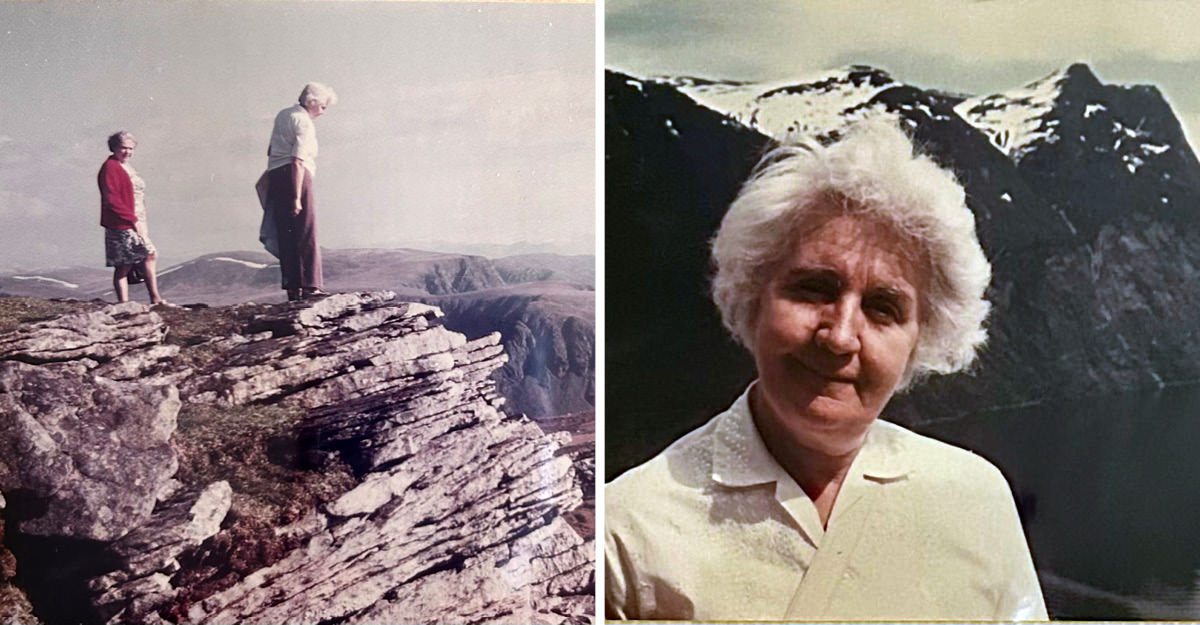
Camilla and Jean in Norway, 1976
Camilla and Jean in Norway, 1976
The years came and went for Jean as a wife, mom, and nurse, and she continued to stay in touch with her pen pal Camilla. In May 1976, Jean and Margaret flew to Norway to finally meet Camilla in person. They had spent a lifetime forging a friendship through handwritten letters. Through moves, wars, and over five decades of challenge and change, Jean and Camilla remained steadfast friends, never letting distance or different languages become a barrier to connection. The only true requirement for friendship is simply caring enough to make the effort—steadfast and consistent effort.
From a Norwegian pen pal to injured soldiers, a blind husband to growing children, friends, and strangers alike, Jean cared for every person she encountered. We see history in black and white, through timelines, dates, and the rest of the story. But we often forget that history is lived in color by stepping into the tension between conviction and uncertainty, faith and sight, peace and war, and leaning in when life gets hard. Technology has written a false narrative that connection happens with the click of a button, but Jean knew that connection occurs through the human touch in moments of brief encounters and over a lifetime of effort. It happens in life’s hardest moments when in blind faith you step into the unknown and are the angel that someone else needs.
And that is exactly how Jean lived.
Jean in Norway, 1976
Article written by Allyson Joy and originally published in Focus on Artesia 2025 Spring edition.
Allyson Joy
Allyson Joy is the Associate Publisher of Focus Magazines. She can be reached at allyson@focusnm.com.