
The city of Carlsbad sits in the lap of a stunning geological wonder: the Carlsbad Caverns.
Dropping into the depths of what many proud New Mexicans would consider the eighth wonder of the world is awe inspiring. However, the area’s geological wonders do not stop there. Journey south to McKittrick Canyon or hike Guadalupe Peak to see Precambrian rock formations. Take a drive out of town to see evidence of winning the geological jackpot: the Permian Basin, which holds billions of barrels of oil and trillions of cubic feet of natural gas. Universities all over the country require their geology students to complete a field study program starring the varying geological landscapes of New Mexico. This great state not only offers a plethora of rock types and structures, it is also home to volcanic and tectonic activity.
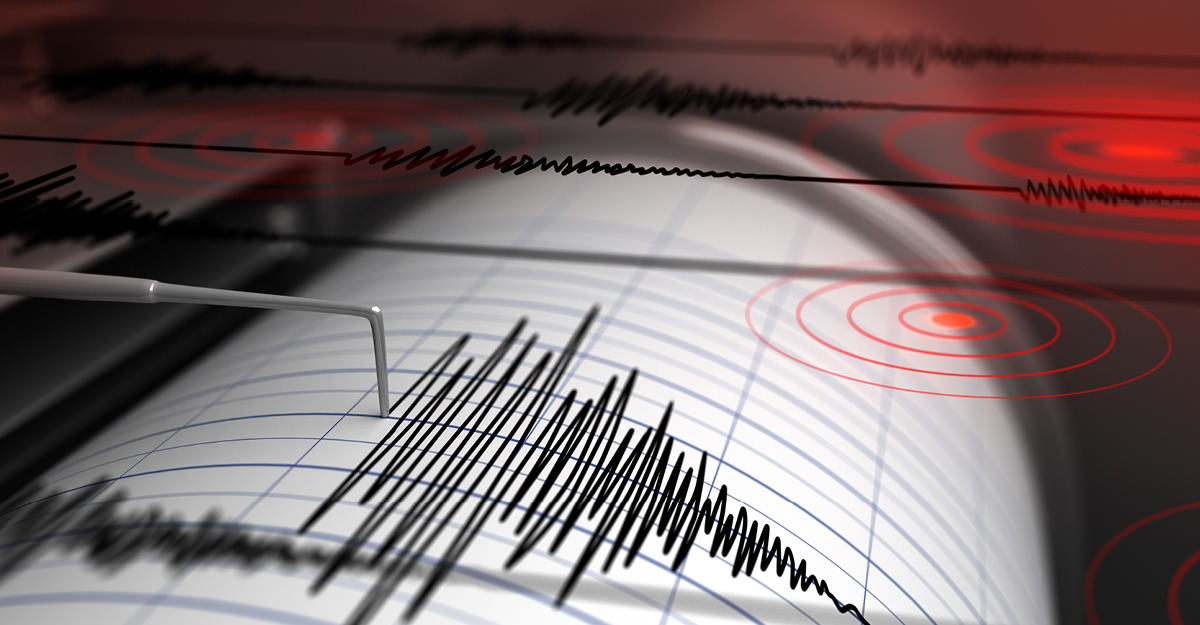
The visual marvels of this area may not be earth shaking news, but a recorded 1,555 seismic events within 60 miles of Carlsbad in the last year might be!
Even with that astonishing number of recorded earthquakes in the Carlsbad area, the Socorro area is considered to have the most active earthquake activity in all of New Mexico. During the past 45 years, approximately 50% of all seismic activity in the state has been centered near Socorro. This is most likely due to the 1,300 square miles of “lava carpet” that sits 12 miles beneath the land’s surface in the Socorro area.
Earthquakes are startlingly common. In the last 30 days, 4,676 earthquakes have been recorded in the United States. Approximately 50,000 earthquakes occur annually across the globe. About 100 of these are large enough to cause significant damage and on average, very large earthquakes strike once a year. There are four types of earthquakes: tectonic (the cause of most earthquakes), induced (caused by human activity), volcanic, and collapse.
As a plateau to the Rocky Mountains, New Mexico is subject to quaking and shaking created by the Rocky Mountain’s singular task: mountain building. In addition, New Mexico is home to the dormant, but not extinct, Capulin Volcano and one of the largest young calderas on earth, Valle Caldera. Whether driving across the lava fields of Carrizozo or spelunking in the Caverns, one gains the sense that mystery and intrigue abound deep within.
1,555 Seismic Events within 60 miles of Carlsbad
Despite the terror that earthquakes can evoke, the tremors are almost wholly unremarkable near Carlsbad. Almost all of the recorded quakes in the last year have been unnoticed by the citizens of Carlsbad and none have caused any reported damage.
The start of the COVID-19 pandemic was record breaking in many ways, but on March 26, 2020, Carlsbad felt the shake of a 5.0 earthquake, 51 miles away in Mentone, Texas. At the epicenter, the estimated release of energy was equivalent to 477 tons of TNT. This activity was the highest in Carlsbad’s recorded history. New Mexico’s largest earthquake was in 1906 near Socorro with an estimated rating of 6.0 on the Richter scale.
The scale of measuring earthquakes was developed in 1935 by Charles F. Richter to rate the magnitude of an earthquake. (Magnitude meaning the amount of energy released during the seismic event.) The Richter scale is rated from a 1.0 – 9.0. A 1.0 on the Richter scale cannot be felt by people. A 4.0 may break windows or cause small, unsecured objects to fall while a 9.0 will cause total destruction and waves moving through the earth will be visible to the naked eye. The highest magnitude ever recorded was the Great Chilean Earthquake in 1960 with a magnitude of 9.5!
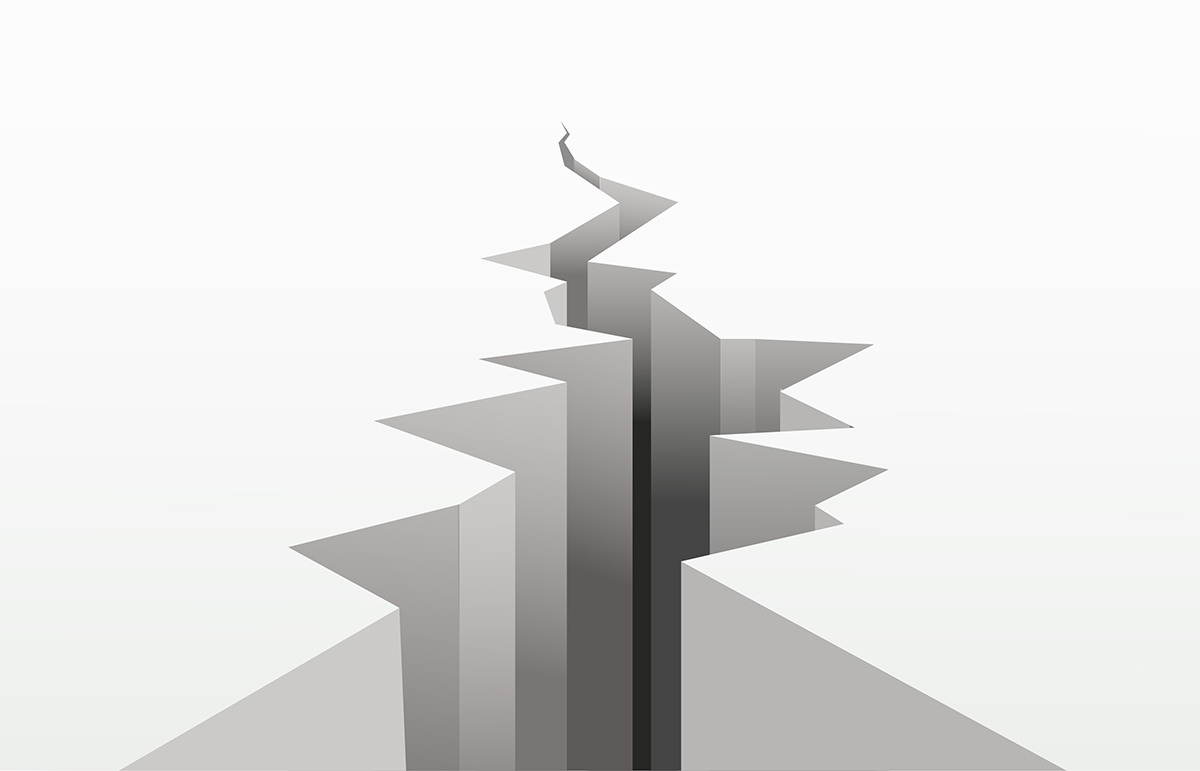
If a high magnitude event ever does occur in Carlsbad, remember these important steps listed by ShakeOut, an organization devoted to spreading awareness about earthquake safety at their website shakeout.org:
Drop, Cover, & Hold On
- DROP to the ground (before the earthquake drops you!).
- Take COVER by getting under a sturdy desk or table.
- HOLD ON until the shaking stops.
If you are driving, pull over to a clear location, stop and stay there until the shaking stops. Once the shaking stops, proceed with caution and avoid bridges or ramps that may have been damaged. Injury during an earthquake is usually caused by collapsing walls and roofs, flying glass, and falling objects.
While an earthquake is no laughing matter, the people of Carlsbad like to shake things up. Here are few jokes to make you crack a smile.
The earthquake in the desert wasn’t strong, so no one got hurt. However, a few of the snakes were rattled.
Which poet liked earthquakes? Shakespeare
When did the Dutch know there was an earthquake? Van der Waals shook