Americans will mark two significant dates in the coming months.
The first is July 4, 2026—the 250th anniversary of our nation’s birth. The second is September 11, 2026—the 25th anniversary of the deadly terrorist attack that claimed more than 3,000 lives. “9/11” triggered major changes in the mission of Artesia’s Federal Law Enforcement Training Center.
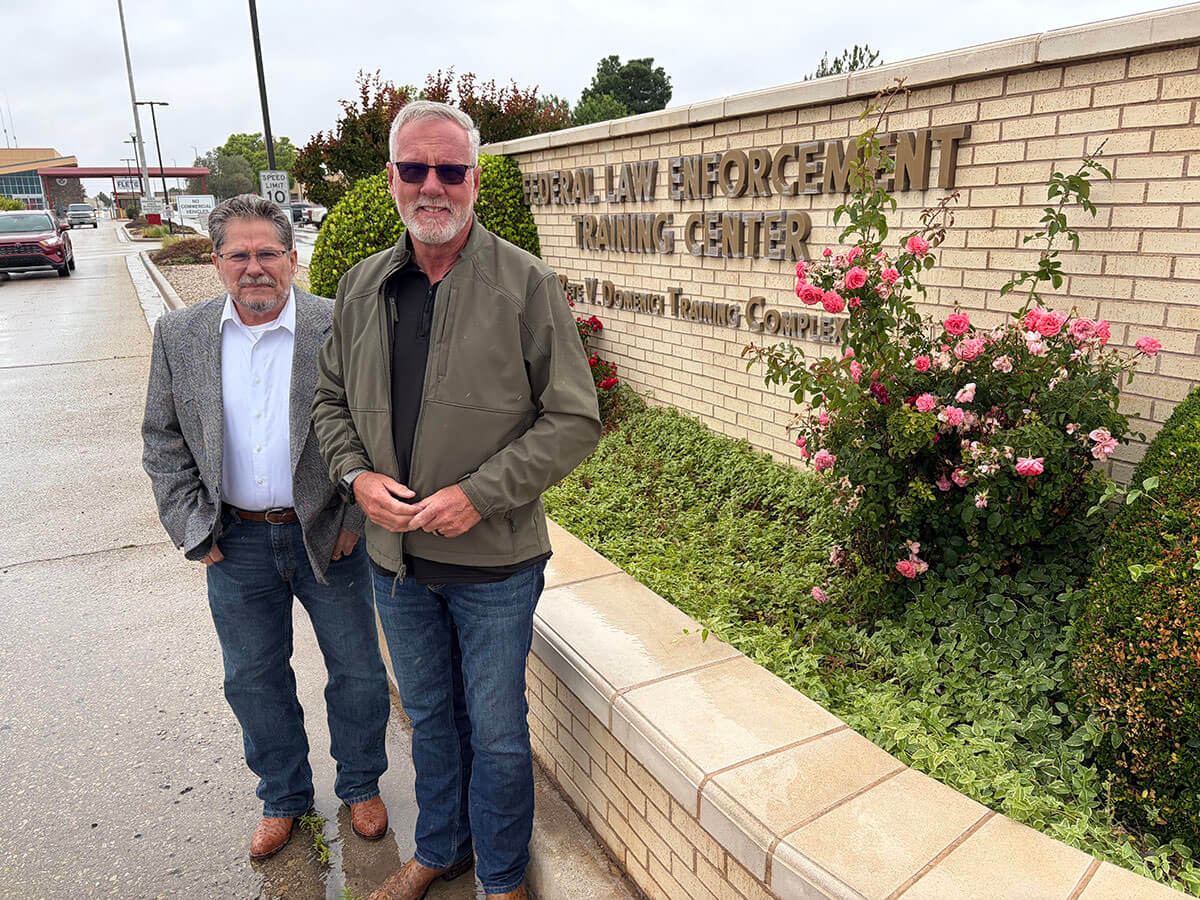
FLETC had opened in 1989 on the site of the former Artesia Christian College (before that, the College of Artesia). “What really put us on the map was 9/11,” former FLETC Artesia site director Terry Todd recalled. Watching television news coverage of 9/11 along with the rest of the country, Todd realized that the attack could impact FLETC Artesia in a big way. He was right.
A Roswell native—born at Walker Air Force Base—Todd has lived in Artesia since 1982, when he took an assignment with New Mexico State Police. He had followed in his father’s footsteps as a highway patrolman. Todd joined the FLETC Artesia staff in 1991, starting as a driving instructor and rising through the ranks to become director in 2010. In his first ten years with FLETC, he held various management positions, leading to chief of the Bureau of Indian Affairs Indian Police Academy. The academy trains federal, state, and tribal law enforcement officers.
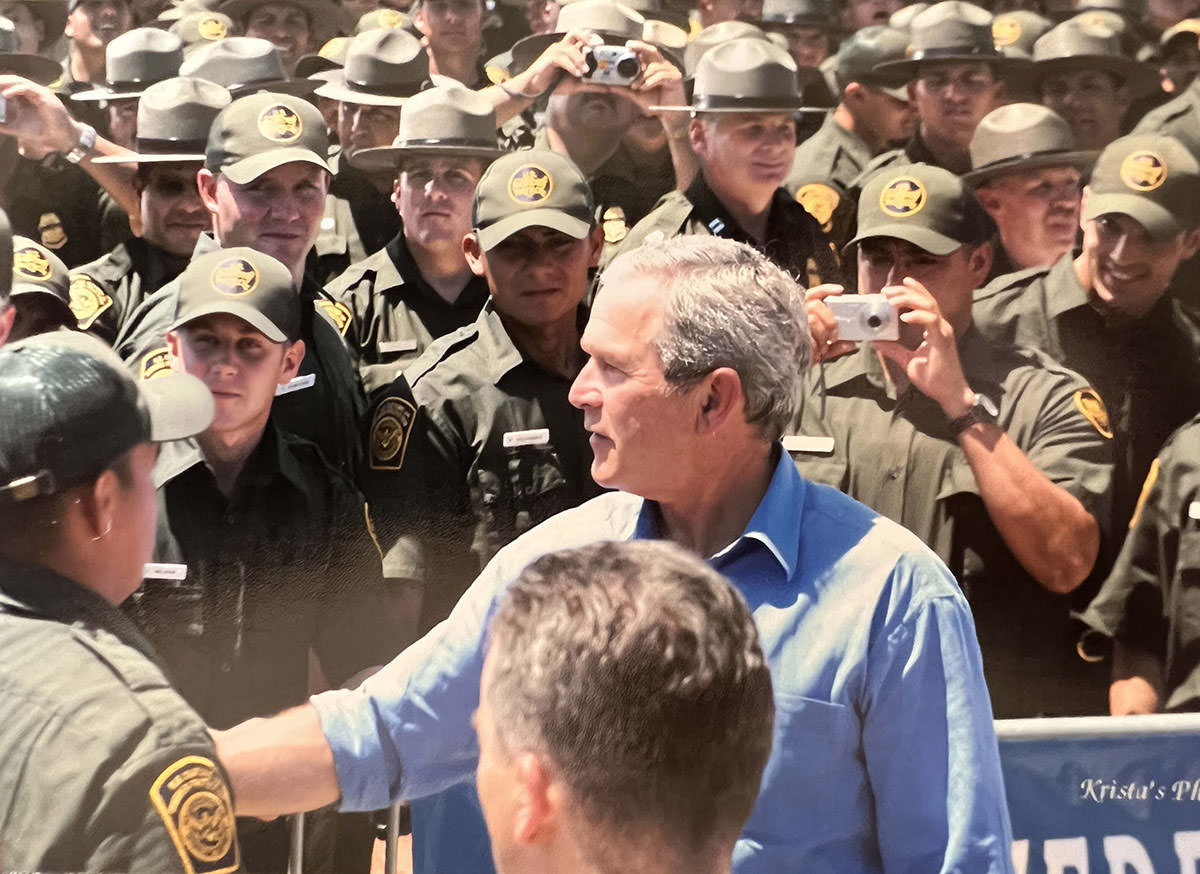
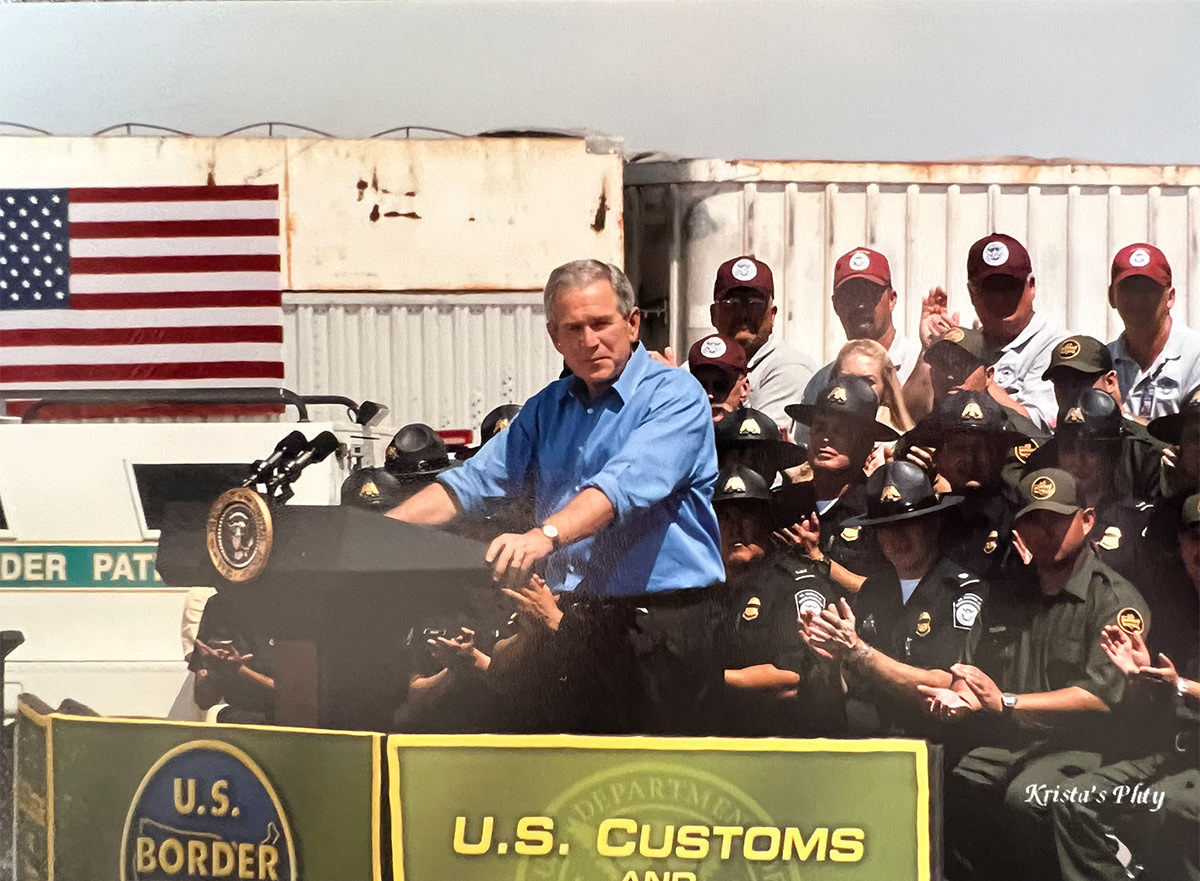
Then came 9/11, when terrorists hijacked three commercial airliners and used them to carry out the attack. An initiative from President George W. Bush led to the creation of a new group—federal air marshals. FLETC Artesia was tasked with training them, and Todd took on the job of managing the training.
“The air marshals program had no problem recruiting,” Todd recalled. He said the mindset of the trainees was similar to that of all the military and law enforcement recruits who were motivated by what happened on 9/11/01. He described it as, “I want to be part of the solution; I want to be part of a 9/11 never happening again.”
FLETC Artesia also took on the training of federal flying-deck officers—airline pilots who are armed. “Artesia is huge in airline security for this country,” Todd said. Law enforcement is a calling, he pointed out, just as military service is. “They’re just doing it at home versus doing it abroad. You won’t see one who’s not loyal to the government.”
There is one thing Todd would like to see happening again: a closer relationship between FLETC Artesia and the people of Artesia. When he became director of the center in 2010, Todd brought to the job a philosophy of “We are not ‘in Artesia’ but ‘part of’ Artesia.” He followed it right up to his retirement in 2022.
While director of FLETC Artesia, he became a non-voting member of the Artesia Chamber of Commerce board of directors. At the board’s monthly meeting, he would give a “FLETC update,” informing its members of developments at the center. Such information can be useful to the business community, Todd noted. For example, learning about upcoming changes in trainee enrollment and permanent and temporary staff can help businesses in their planning.
Todd ran for mayor of Artesia in 2026 and lost in a close race. That didn’t discourage him, however, from working for better communication between FLETC and the Artesia community. He is hoping the city’s movie theater will reopen, and that someone will build a sports bar. As it is now, trainees and staff have to travel to Roswell or Carlsbad for those kinds of entertainment.
Another former FLETC Artesia site director, Woody Wright, now sits on the Artesia City Council. Wright left a job with the Artesia Police Department to join the FLETC staff as an instructor when the center opened in 1989. He went on to spend 35 years with the Federal Law Enforcement Training Centers, including a stint at the agency’s main headquarters in Glynco, GA. Today, he is optimistic that the relationship between FLETC Artesia and the Artesia community will grow stronger.
“Positive things are happening,” Wright said.
Three Jetliners’ Journey
When FLETC Artesia was tasked with training federal air marshals after the 9/11 terrorist attack, the center went right to work.
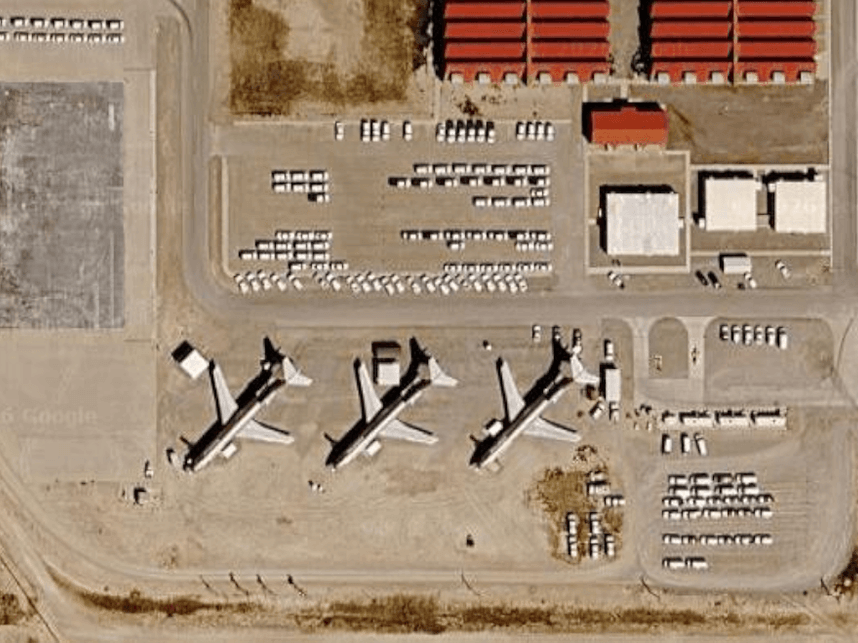
Needing planes in which to train in, FLETC bought three retired Boeing 727 jetliners from American Airlines just a few months after 9/11. They were flown from Dallas to Artesia. The Artesia Airport’s runway was long enough for them to land, but too short for them to take off.
Didn’t matter. The planes made their next trip overland. “We put a cable around their landing gears and towed them with bulldozers 984 yards (.6 mile),” FLETC air marshals training manager Terry Todd said.
Once the three planes were in place, a new problem presented itself. When the wind started blowing hard, moving air over the wings created lift, pushing the craft up.
Trainees found it somewhat nerve-wracking to train in planes that seemed to be trying to take off. The solution was setting the landing gears in concrete to hold them down.
“Things had to be done quickly,” Todd recalled. The airliners’ path from commercial flights out of Dallas to a training ground at FLETC Artesia was so fast, “The planes still had peanuts on the floor.”
Through the startup of air marshals training and other challenges it met successfully, FLETC Artesia earned a reputation in the federal government as a “can do” operation.
Article written by Tim Palmer and originally published in Focus on Artesia 2026 Summer edition.
Tim Palmer
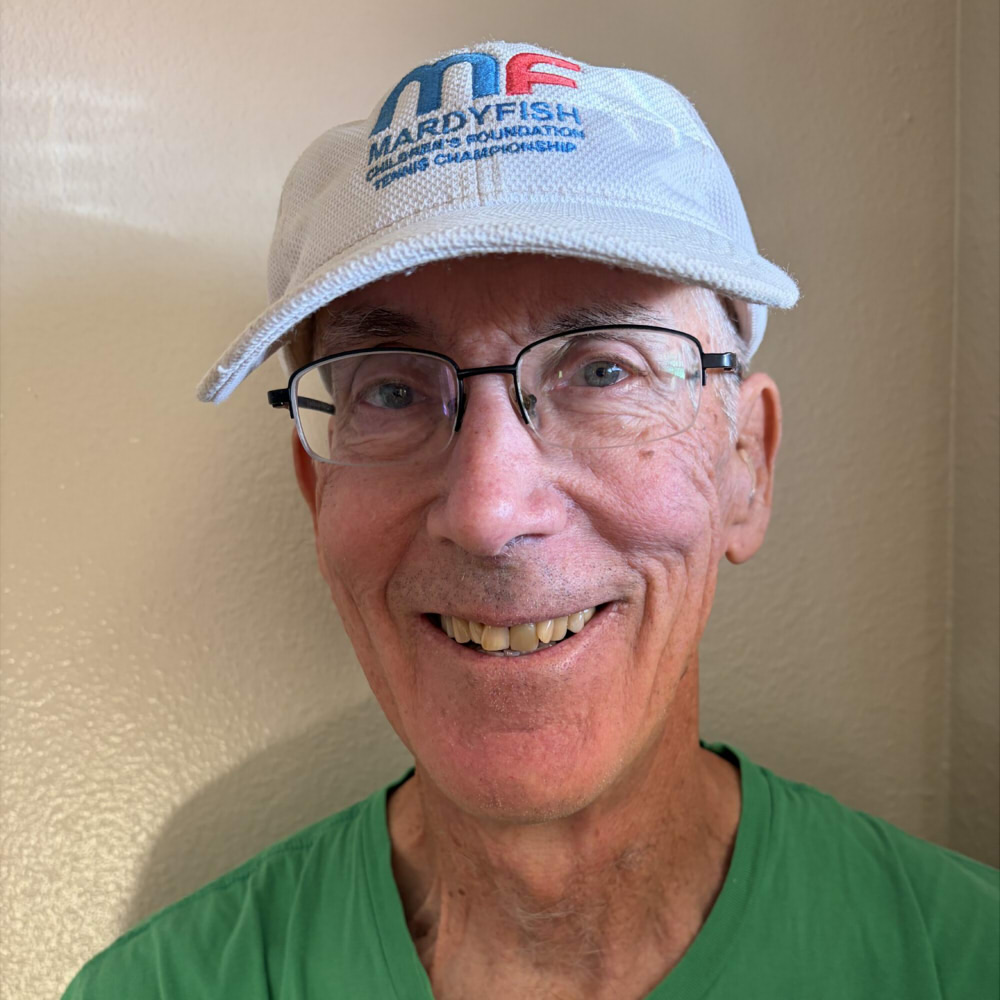
My wife, novelist Catherine Palmer, and I lived in Artesia from 1986 to 1991, while I was editor of the Artesia Daily Press. Cathy’s first three books were published while we were here. We always thought we might come back—we didn’t know it would take 33 years! Cathy continues to write her novels (now #60), and I focus on promoting junior tennis.